Skip to content




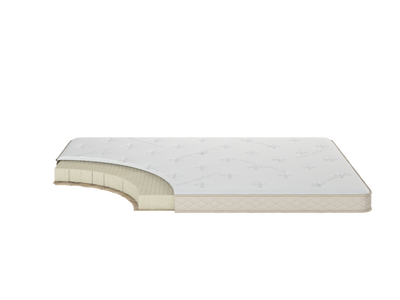
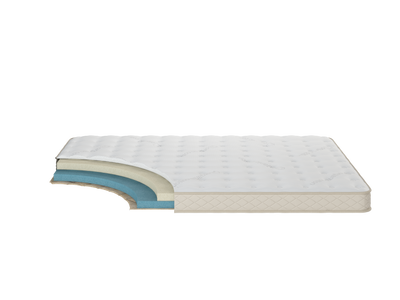
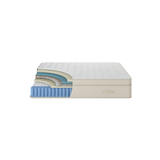
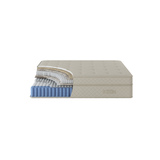
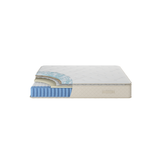
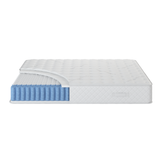
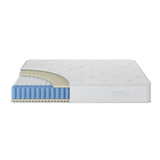
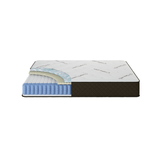






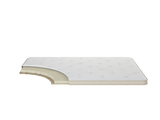
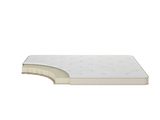
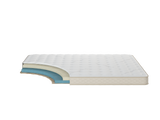

Latex and memory foam are two of the most popular mattress comfort materials, but they create noticeably different sleeping experiences.
Memory foam slowly contours around your body and creates the deeper, cradling sensation many people describe as a “hug.” Latex responds more quickly, keeping you slightly more elevated with a buoyant, responsive feel.
Neither material is automatically better. The right choice depends on how you sleep, how much you move during the night, whether you tend to sleep hot, and what kind of comfort feels most natural to you.
At Engineered Sleep, we build mattresses using both latex and memory foam. This guide explains the practical differences we notice between the materials and how to decide which one is more likely to work for you.
Latex vs. Memory Foam: The Quick Answer
Choose latex if you generally want:
- A responsive, buoyant feel
- Less of a sinking sensation
- Easier movement and position changes
- More natural airflow around the body
- Natural material options
- A resilient comfort material
Choose memory foam if you generally want:
- A deeper contouring feel
- More cushioning around the shoulders and hips
- Strong motion isolation
- A slower-response surface
- The feeling of sleeping “in” the mattress rather than on top of it
The construction and firmness of the complete mattress still matter. A soft latex mattress can feel more cushioning than a firm memory foam mattress, so material should never be the only factor in your decision.
What Does Memory Foam Feel Like?
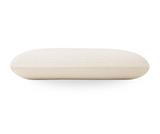
Memory foam is a pressure-responsive material. As your body settles into it, the foam gradually conforms around your shape.
This creates the slow, contouring sensation for which memory foam is known. Instead of immediately pushing back against your body, the material allows areas like your shoulders and hips to sink farther into the comfort layer.
People who enjoy memory foam often describe it as:
- Contouring
- Cradling
- Cushioning
- Slow responding
- Pressure relieving
This can be particularly appealing to sleepers who want noticeable cushioning around areas that press into the mattress.
Memory foam also tends to absorb movement well. When one person moves, the foam can help limit how much of that movement travels across the sleeping surface. That can make it a strong option for couples with different schedules or anyone who is easily disturbed by movement.
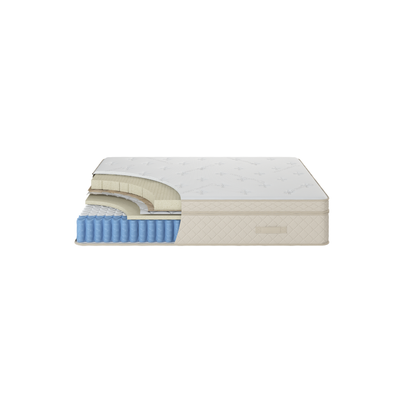
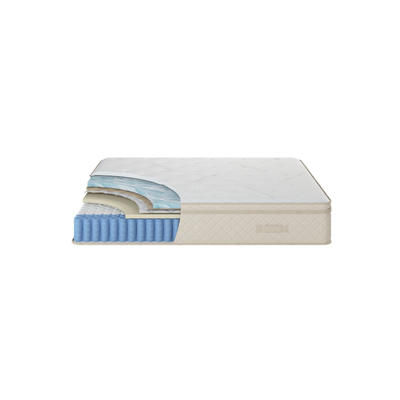
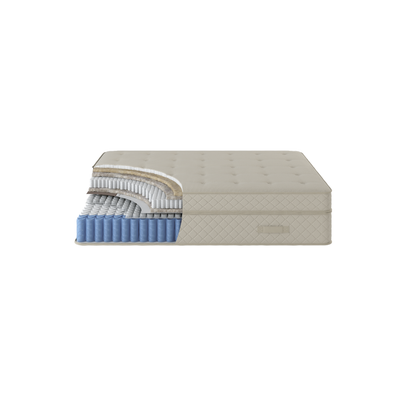
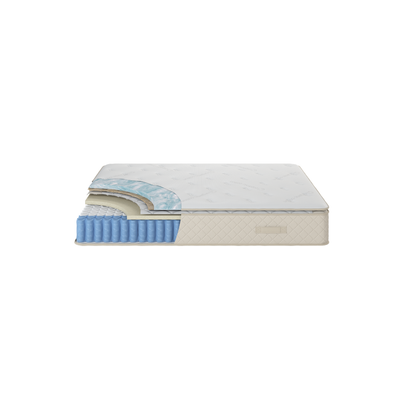
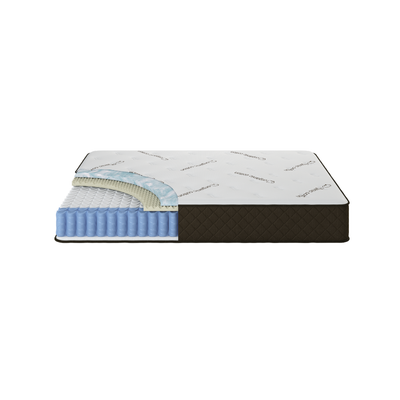
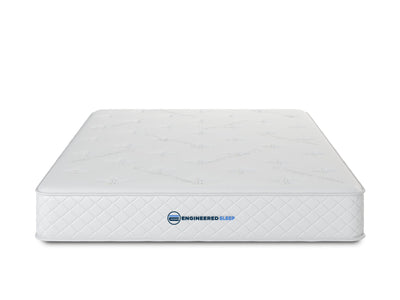
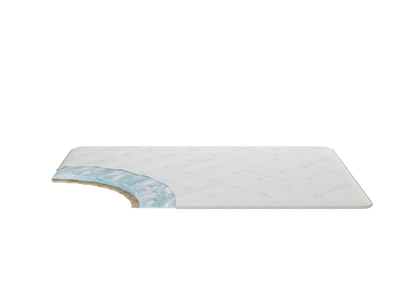
The Engineered Sleep Duo Memory pairs this contouring comfort with a pocketed-coil support system, rather than relying on foam alone. It is designed to provide a slow-response comfort feel while maintaining the support and edge stability of a hybrid mattress.
What Does Latex Feel Like?
Latex responds more quickly than memory foam. When pressure is applied, it compresses but returns to its original shape almost immediately.
Instead of allowing you to sink deeply into the mattress, latex tends to keep you more elevated. You can still receive pressure relief, but the sensation feels more buoyant than enveloping.
People who enjoy latex often describe it as:
- Responsive
- Buoyant
- Supportive
- Springy
- Easy to move on
- More like sleeping “on” the mattress
This responsiveness makes latex popular with combination sleepers and anyone who frequently changes positions. Because the material rebounds quickly, you are less likely to feel as though you need to climb out of an impression before rolling over.
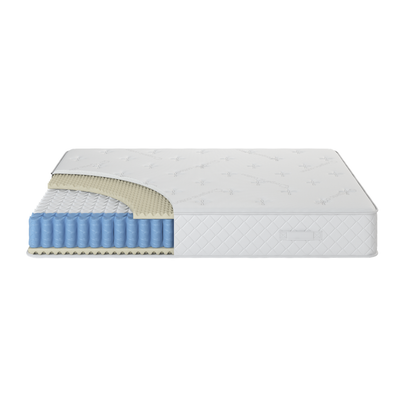
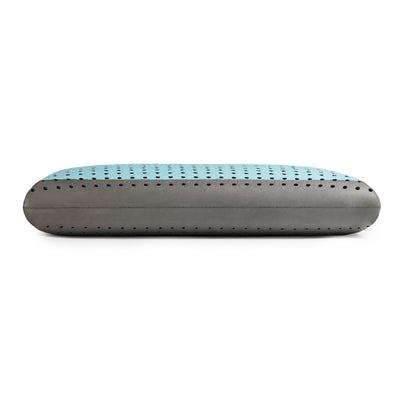
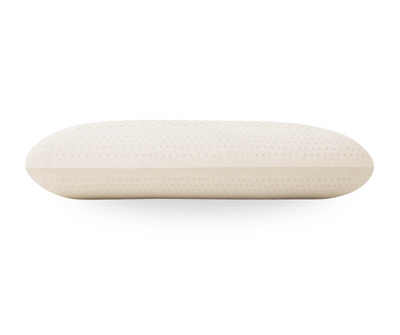
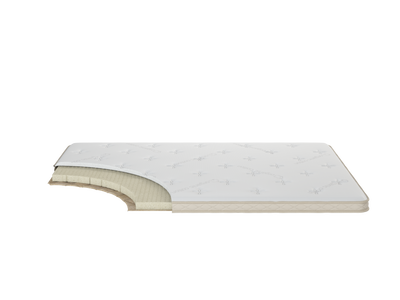
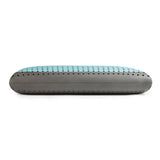
Latex can also promote airflow through its construction. The latex used in the Duo Latex is perforated to improve airflow and create a more temperature-neutral sleeping surface.
Latex vs. Memory Foam Comparison
| Category | Latex | Memory Foam |
|---|---|---|
| Overall feel | Buoyant and responsive | Contouring and cradling |
| Sink | Less pronounced | More pronounced |
| Movement | Easier to change positions | Slower response |
| Pressure relief | Lifted and responsive | Deep and conforming |
| Motion isolation | Good, depending on construction | Typically a major strength |
| Temperature | Generally more breathable | Depends heavily on foam and mattress construction |
| Materials | Natural and synthetic options | Polyurethane-based foam |
| Best for | Hot and combination sleepers, responsive-feel shoppers | Side sleepers, couples and contouring-feel shoppers |
Which Material Sleeps Cooler?
Latex is usually the better starting point for someone who sleeps hot.
Its responsive feel keeps more of your body above the surface instead of surrounding it. Latex is also commonly manufactured with ventilation channels that allow air to move through the material.
Memory foam has historically been associated with greater heat retention because it contours closely around the body. However, not every memory foam mattress sleeps the same. Foam structure, mattress covers, airflow, coil systems and the depth of the comfort layer can all influence temperature.
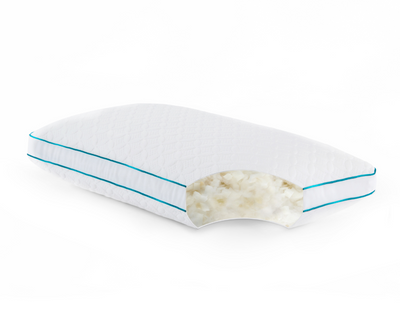
For example, Engineered Sleep uses open-cell memory foam to improve breathability and pairs it with pocketed coils rather than building an entirely solid foam mattress.
Choose latex when: sleeping cool is one of your highest priorities.
Consider memory foam when: you value contouring more, but look for an open-cell or hybrid construction designed to improve airflow.
Which Is Better for Pressure Relief?
Both materials can relieve pressure, but they accomplish it differently.
Memory foam allows heavier areas to sink more deeply into the mattress. This creates a close contour around the hips, shoulders and other pressure-sensitive areas.
Latex compresses under pressure but continues to gently push back. You receive cushioning without the same slow, enveloping sensation.
For many shoppers, the decision comes down to preference:
- Choose memory foam if you want to feel deeply cradled.
- Choose latex if you want cushioning while remaining more elevated.
- Consider a construction combining the two if you want contouring with additional responsiveness.
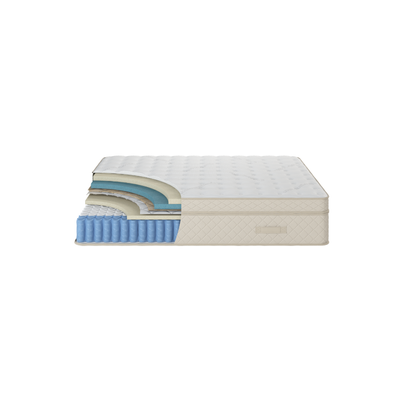
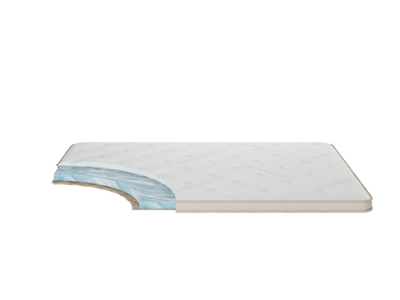
The Duo Memory Plus, for example, combines memory foam and latex within its comfort system to create a middle ground between the two experiences.
Which Is Better for Side Sleepers?
Side sleepers usually need enough cushioning to allow the shoulders and hips to settle comfortably without feeling excessive pressure.
Memory foam is frequently appealing to side sleepers because of its deeper contour. It can create more noticeable cushioning around the widest areas of the body.
Latex can also work well for side sleepers, especially when used in a medium or plush configuration. It simply delivers the pressure relief with a more responsive feeling.
A side sleeper who enjoys a soft, enveloping surface may prefer memory foam. A side sleeper who dislikes sinking or frequently changes positions may prefer latex.
Firmness and comfort-layer thickness will ultimately matter as much as the material itself.
Which Is Better for Back and Stomach Sleepers?
Back and stomach sleepers often prefer a surface that prevents excessive sinking through the middle of the body.
Latex can be a natural fit because of its responsiveness and more elevated feel. However, a supportive memory foam hybrid can also work well when the comfort layer is not excessively soft.
For these sleeping positions, pay especially close attention to:
- Overall firmness
- Support-system quality
- Comfort-layer depth
- Body weight
- Whether the mattress maintains a stable sleeping surface
Material alone does not determine whether a mattress will provide the right support.
Which Is Better for Combination Sleepers?
Latex is often the easier choice for people who change positions throughout the night.
Its quick response makes it easier to roll from your back to your side or from your side to your stomach. You are less likely to feel held in one position.
Memory foam may still work for combination sleepers who enjoy contouring, but a faster-response foam or hybrid construction will generally make movement easier than a very deep, slow-responding foam mattress.
Which Is Better for Couples?
The answer depends on what disrupts your sleep.
Choose memory foam when your main concern is motion transfer. Its ability to absorb movement can be helpful when one person tosses, turns, gets out of bed early or goes to sleep later.
Choose latex when one or both partners sleep hot, change positions frequently or dislike the sensation of sinking deeply into a mattress.
Couples should also consider edge support, mattress size and firmness—not only the top comfort material.
Which Material Lasts Longer?
Latex is widely chosen for its resilience. It rebounds quickly and is less prone to developing the slow-response impressions associated with lower-quality foams.
Memory foam durability can vary considerably based on foam density, thickness and the construction beneath it. Higher-quality foam used over a stable support system will generally perform differently from inexpensive foam used in an all-foam mattress.
There is also another question worth asking: What happens when the comfort material eventually changes?
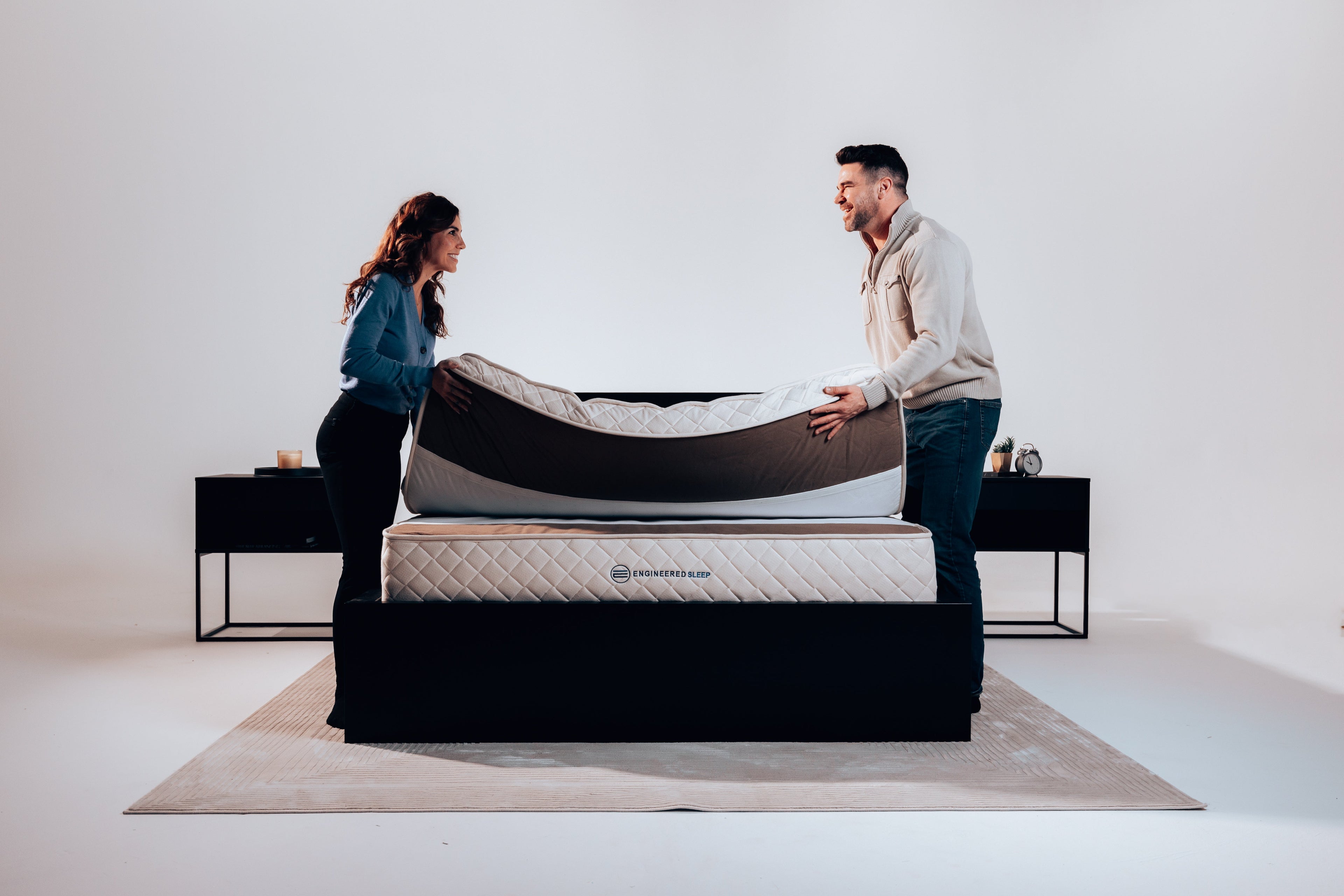
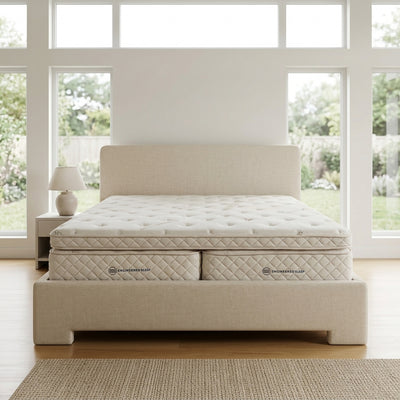
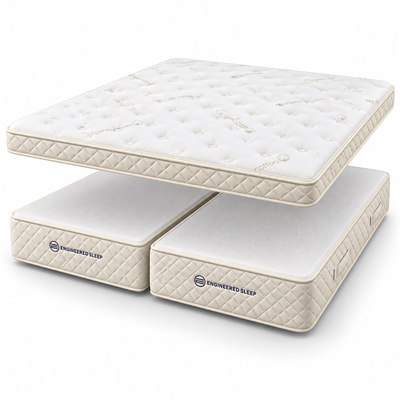
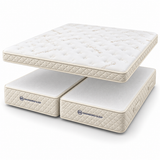
Most mattresses require you to replace the entire bed when the upper comfort layers wear or your preferences change. A modular mattress lets the comfort portion be refreshed without discarding a support system that may still have years of usable life.
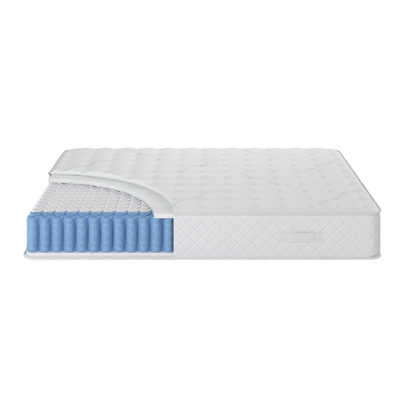
That is the idea behind the Engineered Sleep Duo. The support and comfort portions are built separately and connected with CLING™ technology, allowing the comfort layer to be changed while the support layer remains part of the mattress.
What About Materials and Certifications?
Shoppers interested in natural materials will generally be drawn toward natural latex.
The latex used by Engineered Sleep carries FSC, OEKO-TEX Standard 100 and Eco-Institut certifications. Our polyurethane, memory and high-resiliency foams are CertiPUR-US certified, and our mattresses are built without fiberglass.
Certifications do not tell you how a mattress will feel, but they can help you understand how specific materials were sourced, tested or manufactured.
Always look at the complete construction rather than assuming every mattress using a certain material is identical.
Can You Combine Latex and Memory Foam?
Yes. Combining the materials can provide some of the strengths of both.
A latex layer can introduce responsiveness and help prevent the surface from feeling excessively slow. Memory foam can add deeper contouring and motion isolation.
A combination may be a good fit when you want:
- More contouring than an all-latex comfort layer
- More responsiveness than traditional memory foam
- Pressure relief without an extremely deep sink
- A balance between movement and motion isolation
As with any mattress, the order, thickness and firmness of the layers will determine the final feel.
Is Latex or Memory Foam Better?
Latex is probably the better choice when you prefer a responsive feel, sleep hot, change positions frequently or prioritize natural materials.
Memory foam is probably the better choice when you want deep contouring, strong motion isolation and noticeable cushioning around your shoulders and hips.
The best answer is not determined by a list of features alone. It comes down to which material feels most natural beneath your body.
Whenever possible, try both materials rather than relying only on descriptions. Press into them, lie in your normal sleep position and pay attention to whether you feel comfortably supported or restricted.
Engineered Sleep builds both the Duo Latex and Duo Memory because different sleepers genuinely need different things. One is not the “correct” mattress for everyone.
The right mattress is the one that gives you the comfort you enjoy, the support you need and the flexibility to keep sleeping well as your preferences change.
Compare them here
Still uncertain which feel fits you? Call or text our sleep team. We build these mattresses in our own Greenville, South Carolina factory and can help you compare your options without automatically pushing you toward the most expensive one.