Skip to content

















Mattresses rarely wear out all at once.
The part you feel every night, the foam, latex, fibers, and other comfort materials near the surface, can change long before everything underneath has stopped doing its job.
That is why simply asking “How old is my mattress?” does not always tell you whether you need a new one.
A better question is:
What part of my mattress has actually worn out?
Most mattresses are expected to perform well for somewhere around 7 to 10 years, but that number is only a general guideline. Mattress construction, material quality, body weight, sleeping position, frequency of use, foundation, and maintenance can all affect how quickly a mattress wears.
Some mattresses need replacing sooner. Others can remain comfortable and supportive beyond the typical range.
So instead of watching the calendar, it helps to understand what mattress wear actually looks and feels like.
How Long Should a Mattress Last?
There is no universal expiration date for a mattress.
Even two mattresses built with similar materials can age differently depending on how they are constructed and used.
As a broad reference, typical mattress lifespan estimates often look something like this:
| Mattress Type | Typical Lifespan* |
|---|---|
| Innerspring | About 5–7 years |
| Foam | About 6–7 years |
| Hybrid | About 6–8 years |
| Latex | About 8+ years |
*These are general estimates, not guarantees. Material quality and overall mattress construction can make a major difference.
That is also why we would not recommend replacing a mattress simply because it reached its seventh birthday.
If it still feels supportive, comfortable, and structurally sound, age alone may not be a reason to throw it away.
On the other hand, a younger mattress that has developed significant sagging or no longer feels comfortable may deserve attention much sooner.
7 Signs It May Be Time to Replace Your Mattress
1. Your Mattress Has Noticeable Sagging
A mattress should provide a reasonably level and supportive sleeping surface.
If you can see a significant low spot where you sleep, or feel yourself consistently rolling toward one section of the bed, that can be a sign that part of the mattress has lost its ability to recover.
This is different from a slight impression in softer comfort materials.
Deep or permanent sagging can affect the way your body is supported throughout the night.
2. Your Mattress Feels Noticeably Different Than It Used To
Mattresses change gradually.
That can make deterioration difficult to notice because you experience it a little at a time.
Ask yourself:
Does this mattress actually feel the way it did when I bought it?
Maybe the surface has become much softer. Maybe you sink deeper than you used to. Maybe an area that once felt supportive now feels flat.
Changes in feel do not automatically mean the entire mattress has failed but they are worth paying attention to.
3. You Struggle to Get Comfortable in Your Normal Sleeping Position
Your mattress should allow you to settle into your normal sleeping position without constantly searching for a comfortable spot.
If you suddenly find yourself tossing, repositioning, moving to another part of the mattress, or adding pillows to compensate for the bed underneath you, your mattress may no longer be meeting your comfort needs.
There is an important caveat here:
Your body can change too.
Weight changes, pregnancy, injuries, age, changing sleep positions, and simply changing comfort preferences can all affect what feels good.
Sometimes the mattress has changed.
Sometimes you have.
Either way, the mattress that worked perfectly five years ago may not be the ideal feel for you today.
4. You Sleep Noticeably Better Somewhere Else
This is an interesting test because people can become extremely accustomed to their own mattress.
If you regularly notice that you feel more comfortable sleeping in another bed, a hotel, guest room, vacation rental, or relative's house, it may be worth asking why.
It does not automatically mean you need a new mattress, but it can make changes in your current mattress easier to recognize.
5. You Can Feel a Permanent Body Impression
Some surface settling is normal.
Soft materials are designed to compress under your body, and a slight impression does not necessarily mean a mattress is defective or worn out.
The concern is when that impression becomes deep, permanent, or noticeably affects the support and comfort of the mattress.
Body impressions and sagging are often used interchangeably, but they are not necessarily the same thing.
If you are unsure, check the warranty specifications for your particular mattress. Manufacturers often define how deep an impression must be before it is considered a warranty issue.
6. The Edges or Support Structure Feel Weaker
Mattress wear does not happen only in the center.
If the edge suddenly compresses much more than it used to, the mattress feels unstable when you sit on it, or you notice unusual noises or movement from the support system, there may be a structural issue worth investigating.
Before blaming the mattress, however, check what is underneath it.
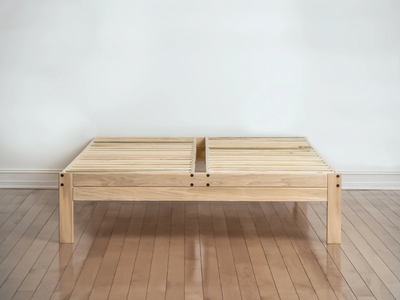
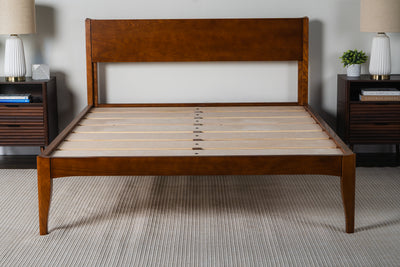
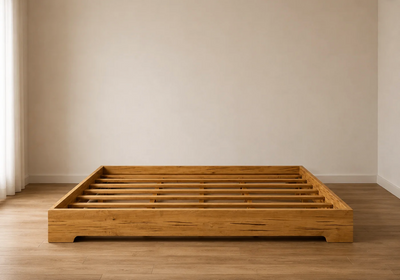
A damaged foundation, insufficient center support, widely spaced slats, or a failing bed frame can all make a perfectly good mattress feel much worse.
7. The Mattress Simply Isn't Helping You Sleep Comfortably Anymore
Ultimately, this matters more than the number printed on the receipt.
You could own an eight year old mattress that still feels great.
Or you could own a four year old mattress you dread getting into.
Age is useful context. Performance matters more.
If your mattress no longer feels comfortable or supportive and you have ruled out your foundation and other obvious issues it may be time to consider a change.
What Actually Wears Out First in a Mattress?

This is where mattress construction gets interesting.
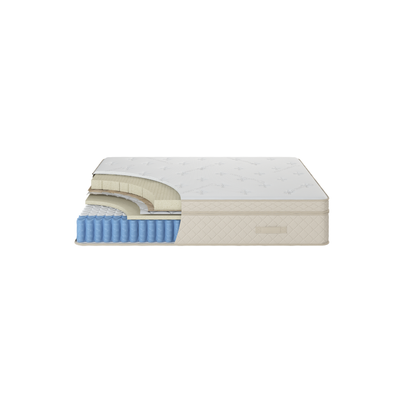
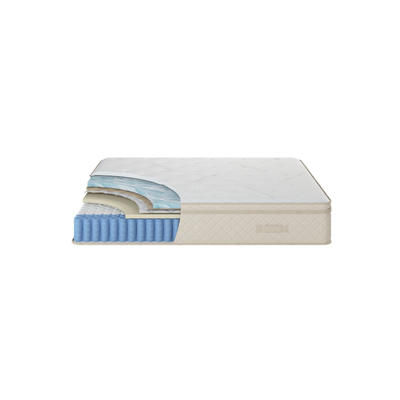
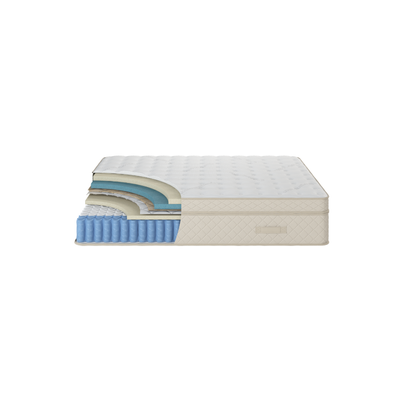
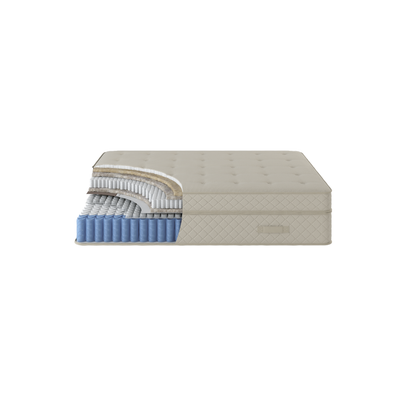
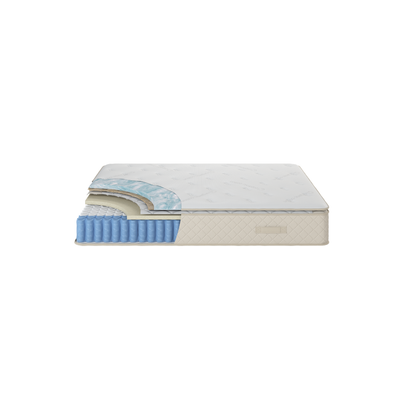
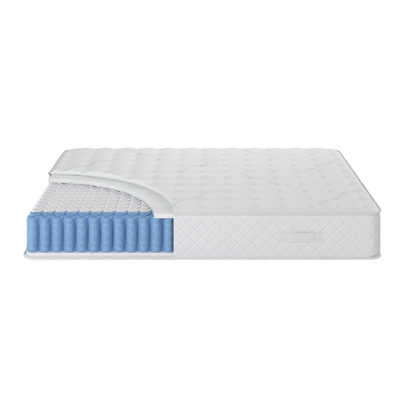
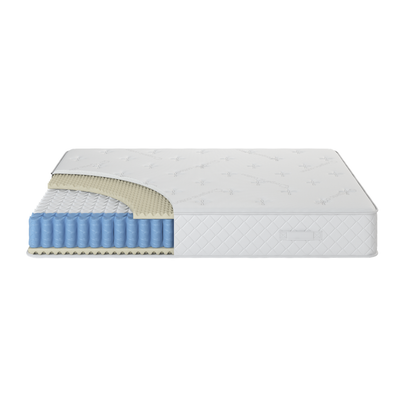
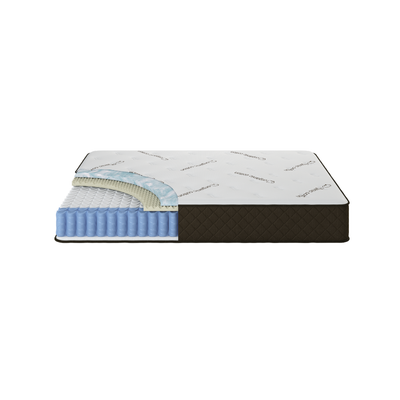
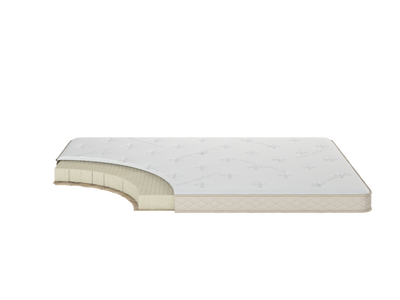
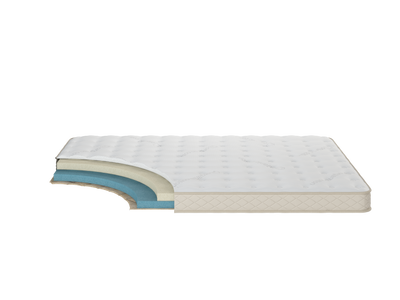
A mattress is not one material.
It is a system.
A typical mattress may contain comfort materials such as:
- Memory foam
- Latex
- Polyfoam
- Wool
- Cotton
- Quilting and fibers
And underneath those materials may be support components such as:
- Pocketed coils
- Innerspring systems
- High-density support foam
- Reinforced edge systems
Those components perform very different jobs.
The upper layers interact directly with your body every night. They compress under your shoulders, hips, and other pressure points again and again.
The deeper support system carries and distributes that load.
Because those parts experience stress differently, they do not necessarily wear out at exactly the same rate.
That leads to an important question:
If the comfort material changes before the support system fails, should the entire mattress automatically become disposable?
Traditionally, the answer has been yes.
Most mattresses permanently combine every component into one unit.
But from a design standpoint, it does not necessarily have to work that way.
Sagging vs. Body Impressions: What's the Difference?
These terms are often used to describe the same thing, but there can be an important distinction.
What Is a Body Impression?
A body impression is an indentation where you regularly sleep.
Some amount of surface settling can happen as comfort materials break in and conform to your body. A small impression does not automatically mean your mattress is failing.
What Is Mattress Sagging?
Sagging is a more significant loss of shape or support.
Instead of simply seeing evidence of where you normally sleep, you may notice a deeper depression that does not recover, a hammock-like feeling, or an area of the mattress that no longer supports you the way it once did.
The difference matters because not every visible impression means you need to replace your mattress.
Before Buying a New Mattress, Check These Things

Check Your Foundation
Look underneath the mattress.
Are any slats broken? Is there adequate center support? Has the foundation bowed or shifted?
A mattress can only perform as well as the structure supporting it.
Rotate the Mattress if Appropriate
If your mattress manufacturer recommends rotation and you have not done it recently, rotating the mattress 180 degrees can help distribute wear more evenly.
Rotation is not going to repair failed materials, but it can help prevent the same areas from receiving all of the nightly pressure.
Inspect the Surface Without Bedding
Remove your sheets, protector, and topper.
Look across the mattress from the side rather than only looking down at it.
That can make significant impressions or unevenness easier to identify.
Check Anything Sitting on Top of the Mattress
Sometimes the mattress topper, not the mattress, is what has worn out.
If you use an additional topper, remove it temporarily and test the mattress underneath before replacing the entire bed.
Can You Make a Mattress Last Longer?
You cannot prevent a mattress from aging, but good care can help avoid unnecessary wear.
A few simple habits matter:
- Use a supportive foundation appropriate for your mattress.
- Rotate the mattress according to the manufacturer's recommendations.
- Use a mattress protector to protect against moisture, spills, and debris.
- Keep bedding and the sleep environment clean.
- Avoid repeatedly bending or improperly supporting a mattress during moves.
- Follow the manufacturer's care instructions.
For more information, read our Mattress Care Guide.
What If Only the Comfort Layer Is Worn Out?
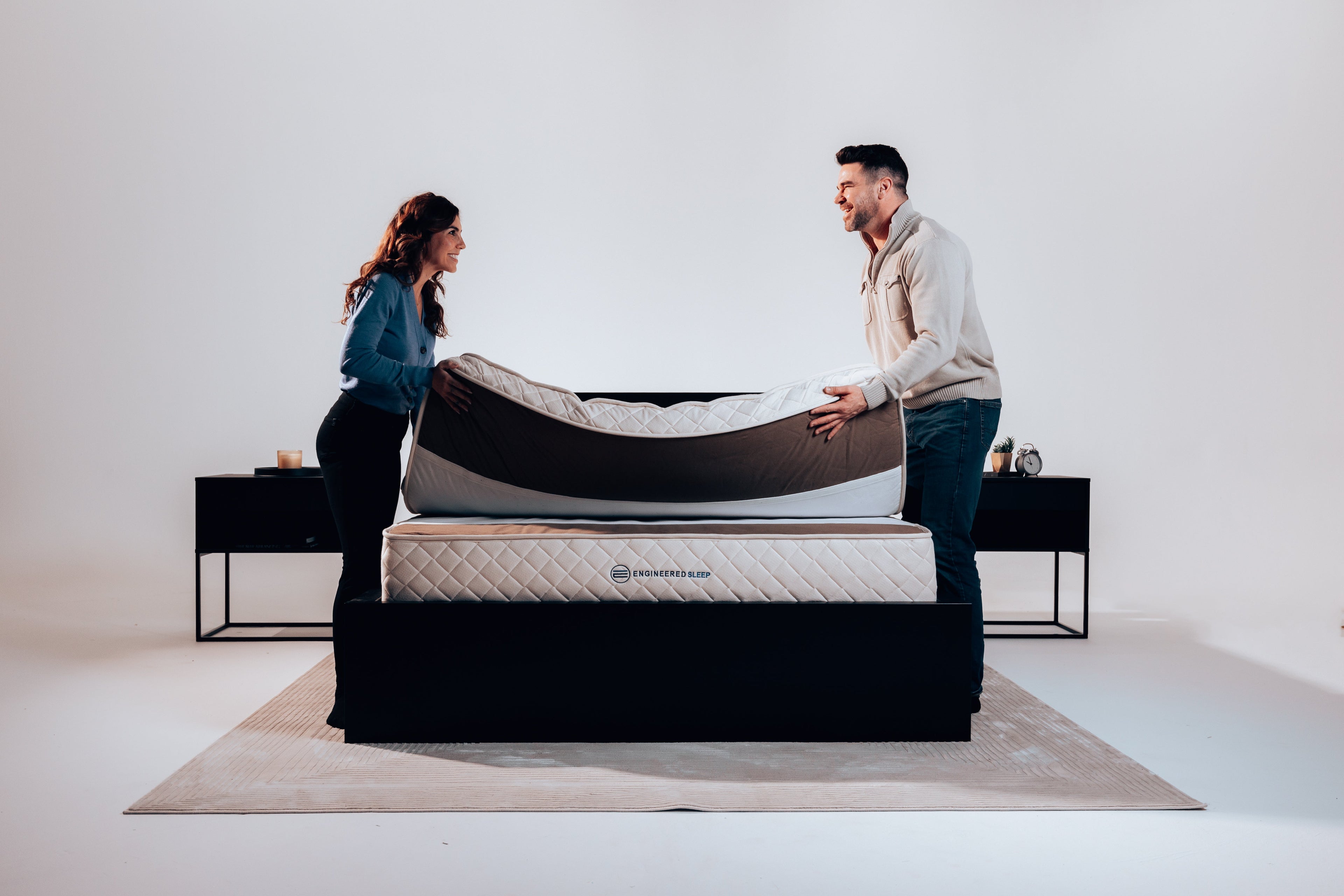
This is the question that eventually helped shape the Engineered Sleep Duo.
Most traditional mattresses permanently combine their comfort and support components.
If the foam or other comfort materials near the surface no longer feel the way you want, even if the support system underneath is still performing, you generally replace everything.
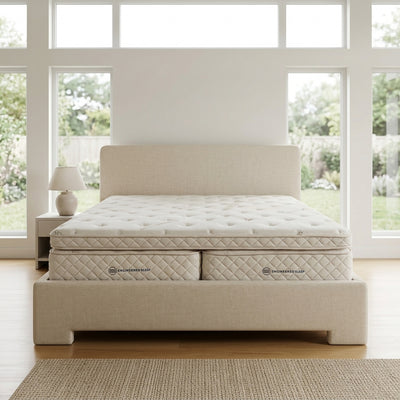
The Engineered Sleep Duo takes a different approach.
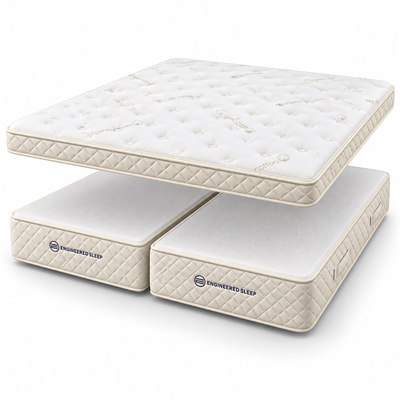
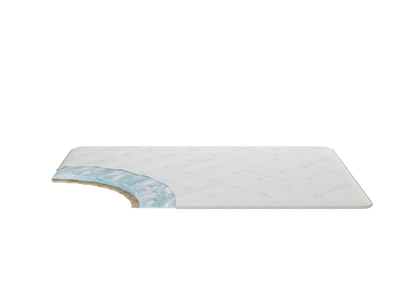
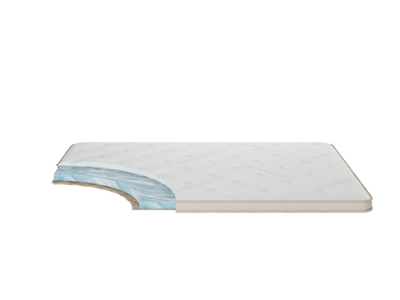
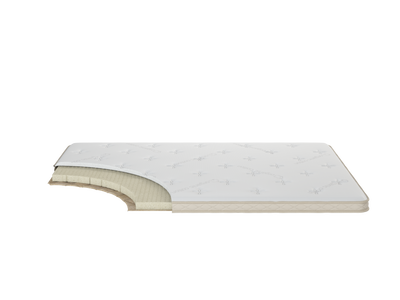
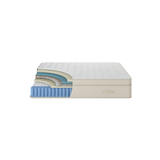
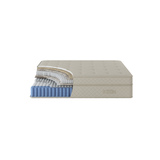
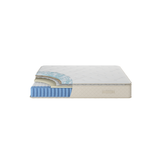
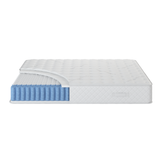
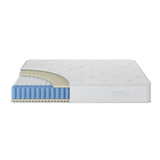
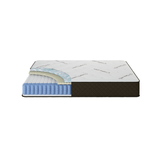
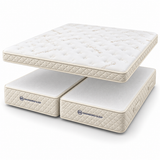
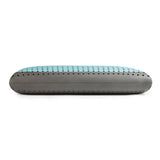
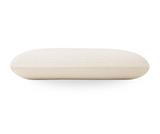
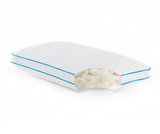
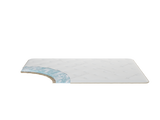
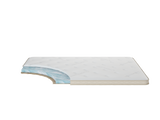
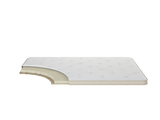
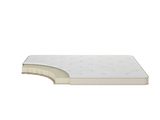
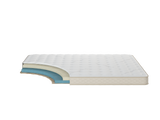
The Duo separates the mattress into a support base and a separate comfort layer. Engineered Sleep's proprietary CLING™ fabric connects the two sections so they function together as one mattress, while allowing the comfort layer to be refreshed or replaced separately from the support base.
That also means the mattress can adapt if the issue is not wear at all.
Maybe you originally preferred a firmer feel and now want something softer.
Maybe you want to move from memory foam to latex.
Maybe your sleeping preferences have simply changed.
Instead of assuming every change requires an entirely new mattress, a modular design gives you another option.
Explore the Engineered Sleep Duo to learn more about our two-piece mattress design.
So, How Often Should You Replace Your Mattress?
There is no perfect number.
Seven to ten years is a useful general guideline, but it should not be treated like an expiration date.
Instead, pay attention to:
- How the mattress feels
- Whether it still provides the support you expect
- Permanent sagging or impressions
- Changes in your own comfort preferences
- The condition of the foundation
- Which part of the mattress has actually changed
A mattress that still performs well does not suddenly become useless because it reached a certain age.
And a mattress that no longer works for you does not become better simply because it is technically still “young.”
The goal should not be to replace your mattress on a schedule.
The goal should be to understand what is changing and make the smartest decision from there.
Frequently Asked Questions
How Many Years Should a Good Mattress Last?
A common guideline is roughly 7 to 10 years, but actual mattress lifespan varies based on construction, materials, sleeper weight, frequency of use, and care.
Can a Mattress Last 15 Years?
Some mattresses can remain usable for that long, particularly those made with durable materials and cared for properly. However, age alone does not tell you whether a mattress is still providing the comfort and support you need.
Should I Replace My Mattress After 8 Years?
Not automatically. Eight years is a reasonable point to evaluate your mattress, but condition and performance matter more than age alone.
Does a Sagging Mattress Need to Be Replaced?
Significant sagging may indicate worn or damaged mattress components, but first inspect the mattress foundation and bed frame. A damaged or insufficient support system underneath the mattress can also create an uneven sleeping surface.
Can I Fix a Mattress With Body Impressions?
Rotating the mattress may help distribute future wear, but it cannot restore materials that have permanently broken down. Slight surface settling can also be normal, so review your mattress warranty before assuming an impression represents a defect.
Which Mattress Material Lasts the Longest?
Latex is generally considered one of the more durable mattress comfort materials, although overall construction and material quality still play a major role in how long a mattress lasts.
Should I Replace My Mattress if My Comfort Preferences Change?
Not necessarily. With most traditional mattresses, changing the overall feel can be difficult because the comfort and support components are permanently combined. Modular mattress designs can allow the comfort portion to be changed separately.